Lady Zia Wernher School
Choice boards
Using Choice Boards to Support Communication
What is Communication?
- Communication is more than talking – it includes gestures, body language, facial expressions, and eye contact. Children may communicate to express needs/choices, likes/dislikes, feelings, questions and ideas.
What is AAC?
- AAC (Alternative and Augmentative Communication) includes any method that supports or replaces speech – such as symbols, gestures, or objects. It gives children who find speech difficult a way to communicate independently.
What is a Choice Board?
- A choice board and choosing is a visual tool/method (using objects, photos, or symbols) that helps children make choices. It shows that communication has a purpose – for example, successfully getting something they really want (a toy or food item etc.)
Making and Using Choice Boards
1. Create meaningful choices:
Start with items your child enjoys – food, toys, places. Use the board/jars within different routines, not just one (e.g., not only at mealtimes).
2. Prepare the board/jar etc:
• Use photos, symbols, or real objects, this is depedendant on the individuals understanding of these representations (the progression may be objects, photos and then symbols).
• You can laminate any photos/symbols for durability, or use a transparent lidded jar or box for objects.
• Use Velcro for removable options – helps reduce or increase choices depending on how the child is feeling.
3. How to use it:
• Offer 2–6 choices. Point to each and name them clearly.
• When your child chooses (by pointing, reaching, eye-pointing), name it again and give it to them.
• If symbols aren’t yet understood, offer real objects first, then show the matching symbol.
• Avoid moving their hand or ‘testing’ them (e.g., “point to the apple”). This can reduce motivation.
• Model using the board yourself and accept all forms of communication.
• Build in daily opportunities to practise – e.g., snack, play, going outside.
• Always respond to their selection, even if it’s accidental – this helps build understanding.
4. Be patient and consistent:
It may take time, but regular access helps your child learn that communication is powerful and meaningful. Positive opportunities and repetition is key to success.
Communicating a choice with gestures
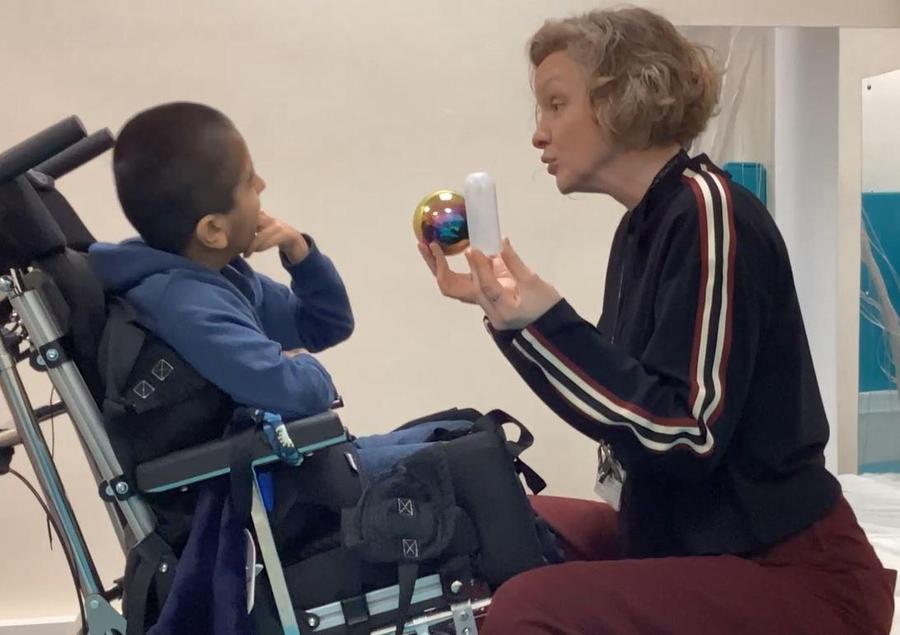
Communicating a choice using gestures and body language is a powerful and universal way to convey decisions without the need for words. This form of non-verbal communication can transcend language barriers and provide clarity in situations where verbal communication is challenging.
Making a choice from a choosing jar
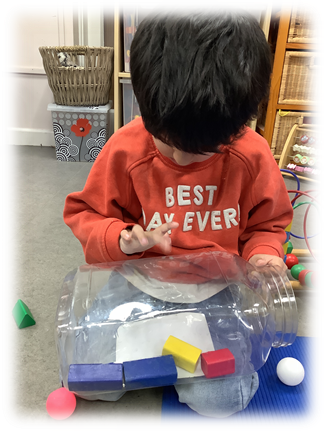
Choosing an object from a choice jar can be an engaging and effective way to make request and the need to communicate with another person.
A choice jar typically contains an highly motivating object/s, representing a favoured item.
To effectively choose an object/toy from the jar/box, the individual may communicate their interest through a variety of methods e.g. glancing at jar/box, tapping, pushing it towards you, or giving the jar/box to the attentive listening partner.
When the individual makes their choice, open the jar/box, name the object and give to individual.
Repeat this activity, by saying "my turn" (you could model playing with item) and then through placing item back into jar/box, you may encourage individual to communicate again.
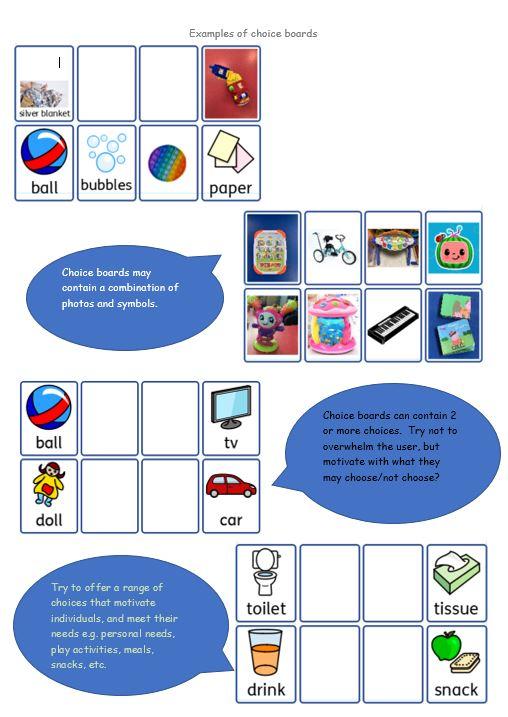
Making a choice from photos and symbols.
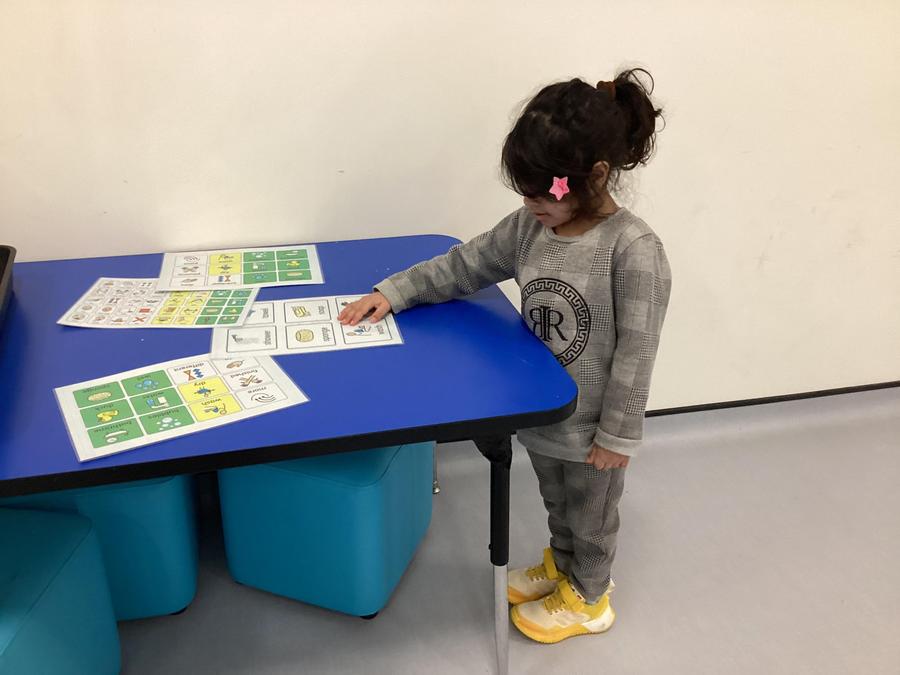
It is important to make AAC accessible for individuals, so that they may communicate their prefernces and needs.
Chosing from a choice board with some core langauge
As individuals begin to extend their awareness of symbols, they may be ready for further vocabulary e.g. "more", "different" etc.